
The pace of digital transformation has never been faster. From the ever-evolving social media space—where TikTok’s rise and X (formerly Twitter’s) uncertainty keep brands on their toes—to the rapid advancements in artificial intelligence, the digital world is in constant flux. For small businesses, the opportunities are both thrilling and daunting.
In 2025, the digital marketing strategies that worked just a year ago may already be outdated, and the next big trend could be on the horizon. To stay ahead of the curve, businesses must stay agile, embracing innovation and adapting quickly to shifts in consumer behaviour.
What’s clear is that digital marketing is no longer a “one-size-fits-all” approach. With personalization and data-driven insights becoming the norm, it’s crucial for brands to rethink their strategies and dive deep into new tools and platforms that promise to drive growth.
In this article, we’ll dive into the top digital marketing trends of 2025, providing small businesses with actionable insights to leverage in order to stay competitive and relevant in an increasingly complex digital sphere.
Trend #1: Focusing on the Customer Experience
As technology continues to advance, consumers now expect seamless, personalized, and consistent experiences across every touchpoint with a brand. This shift is pushing businesses to rethink how they connect with their audiences. The lines between sales, marketing, and customer service are becoming increasingly blurred, and companies that fail to adapt are falling behind.
What does that mean for your business?
To thrive in 2025, sales teams must adopt a more marketing-centric approach, while marketers need to integrate deeper into the sales process. It’s no longer enough to simply attract customers; brands must focus on fostering long-term relationships by delivering personalized and meaningful interactions across channels. The businesses that master the customer experience and create frictionless journeys for their audiences will be the true winners. They will enjoy higher sales conversion rates and a lower cost per conversion.
What can you do?
For small businesses, understanding and leveraging data is more important—and more achievable—than ever before. While navigating data can feel overwhelming, the businesses that truly know their customers will have a significant edge in driving sales and capturing market share. The key is to continuously gather insights and tailor experiences based on those learnings.
How can you get to know your customers better?
- Interview your sales team: Your sales team has valuable firsthand insights into customer pain points, preferences, and needs.
- Interview your customers: Direct conversations with customers give you unfiltered feedback and opportunities to strengthen relationships.
- Conduct a customer survey: Use surveys to collect data on what your customers value most, what their challenges are, and how they interact with your brand.
- Leverage advanced data tools: Invest in AI-driven analytics platforms that can process customer behaviour data across multiple channels, allowing you to create more personalized, targeted marketing. Analyze your PPC data for buyer behaviour trends that can reveal fresh new SEO opportunities for your business.
- Refine your persona development: With the aid of data and AI tools, continuously update and refine your buyer personas to ensure they align with shifting customer behaviours and expectations.
Not currently using customer personas for your marketing efforts? Check out this guide to gain powerful insights into the importance of buyer personas: What Is A Persona and Why Is It Essential Digital Marketing?
Trend #2: Creating A Dedicated Digital Marketing Strategy
Not every small business has a dedicated roadmap for digital success. Too many businesses engage in digital marketing on an ad-hoc basis—posting on social media when there’s time or running a few ads when they have the budget to do so, with no cohesive plan in place.
But digital marketing is not an “as needed” tactic to engage in for a couple of months here and there. A well-structured digital marketing strategy is essential for achieving meaningful, measurable results and ROI on your marketing efforts.
A dedicated digital marketing strategy helps align efforts across channels, establish clear goals, and track progress over time. It turns sporadic actions into a cohesive plan that not only improves brand visibility but also drives sustainable growth. This approach helps companies prioritize resources, target the right audiences, and maintain consistency in messaging—all crucial for building trust and engagement with customers.
For businesses in today’s crowded digital landscape, a strategic plan is key to navigating everything from content marketing and SEO to paid ads and analytics. By focusing on specific goals and measurable milestones, companies can make informed adjustments to their strategies, ensuring they stay agile and effective in reaching their audiences.
Trend #3: Leveraging AI for Smarter Marketing
AI is rapidly transforming marketing, helping even small businesses create smarter, more efficient campaigns. Recent data shows that about 42% of marketers say AI tools have reshaped their strategies through enhanced personalization and engagement. Yet many small businesses hold back, often due to unfamiliarity with the technology.
Getting started with AI doesn’t have to be overwhelming. Here are a few ways to dip your toes in:
- Try Free AI Tools: Tools like ChatGPT and Jasper offer simple ways to automate tasks like social media posts or customer responses—great for saving time without a big investment.
- Start with a Small Project: Pick one area, such as email marketing, and see how AI can help. For instance, AI-powered analytics can help segment your audience, so your messaging reaches the right people.
- Learn as You Go: There are many beginner-friendly AI courses and tutorials tailored for small businesses. Building even a basic understanding can make a huge difference.
With these steps, small businesses can start using AI in a way that feels manageable and leads to more impactful marketing decisions. And if you’re not in a place to start trialing AI on your own, enlist a dedicated marketing agency that already understands the ins and outs of AI.
Trend #4: Embracing Zero-Click Marketing
With nearly 60% of Google searches resulting in no clicks, “zero-click” marketing has become essential. Search engines and social media platforms prioritize content that answers questions directly on their pages, often reducing the need for users to click through to a website.
For businesses, this shift means creating content that serves up quick, useful information to capture attention within the platform.
To embrace zero-click marketing, consider optimizing your content to answer common questions upfront. Use clear headings, bullet points, and concise summaries that show up well in search results. Focus on formats like FAQs, quick tutorials, or short videos that engage users without making them leave the platform.
Adapting to this trend can help your brand maintain visibility in an evolving search landscape while meeting users where they are and providing immediate value.
Trend #5: Adapting with Social Media

Social media marketing continues to evolve, and in 2025, brands can’t rely solely on traditional ads to capture attention. As consumers become more adept at ignoring ads, it’s essential for brands to adapt their approach.
To succeed, businesses must focus on creating authentic, engaging content that meets users where they are. This means shifting away from traditional hard-sell tactics and embracing a more value-driven approach that resonates with your audience.
The key to success on social media is fostering genuine connections with your audience. Platforms are prioritizing organic, interactive content that engages users in meaningful ways. By embracing this shift, businesses can build stronger relationships with followers and stay relevant in a crowded digital landscape.
Trend #6: Mastering Omnichannel Marketing
Omnichannel marketing is no longer optional—it’s essential for connecting with today’s audience. While SEO remains one of the top strategies for long-term ROI, smart marketing today also means balancing SEO with paid ads, social media, email, and more.
The goal is to create a seamless experience across platforms, reinforcing your brand at every touchpoint.
But as user behaviour becomes harder to track and attribution models grow more complex, a well-rounded omnichannel strategy is more important than ever. Attribution challenges make it harder to see exactly which platform drives conversions, so spreading your efforts thoughtfully across channels maximizes your reach.
For example, social media can drive brand awareness, while email nurtures leads, and paid ads can bring potential customers back to your site.
To get started, focus on maintaining a consistent brand message and adjust each channel for its unique strengths. A smart omnichannel approach meets customers where they are, enhancing their journey and improving ROI across the board.
Trend #7: Doing More With Less
With budgets tightening across industries, marketing teams are under pressure to make every dollar count. In many companies, marketing still competes for priority in the budget lineup, which makes it essential to invest wisely.
The key? Prioritizing strategies that have the greatest impact with the least resources.
For example, content repurposing can be a powerful approach, transforming a single blog post into multiple formats—like social media snippets, email updates, or infographics—to maximize reach without creating new material from scratch.
Automation tools are also helpful for scaling efforts, especially in areas like email marketing, social scheduling, and ad optimization, reducing time spent on routine tasks and freeing up resources for creative strategy.
Finally, look closely at your analytics to identify high-ROI channels. By focusing on the platforms that yield the best results, you can stretch your marketing dollars further while maintaining strong connections with your audience. With a strategic approach, even a limited budget can fuel effective marketing that delivers solid returns.
Trend #8: Standing Out in a Crowded Search Landscape
With search engines becoming more visually driven, standing out at the top of search results has never been harder. From AI-generated results to images, videos, and ads dominating the SERPs (Search Engine Results Pages), it’s increasingly challenging for businesses to claim that top spot.
A recent trend sees visual elements like images and videos taking precedence over traditional text results. For example, Google now prioritizes featured snippets, image carousels, and video results at the top of many search queries. This shift means that businesses must think beyond keywords and consider how they can optimize visual content, such as photos, videos, and infographics, to boost their visibility.
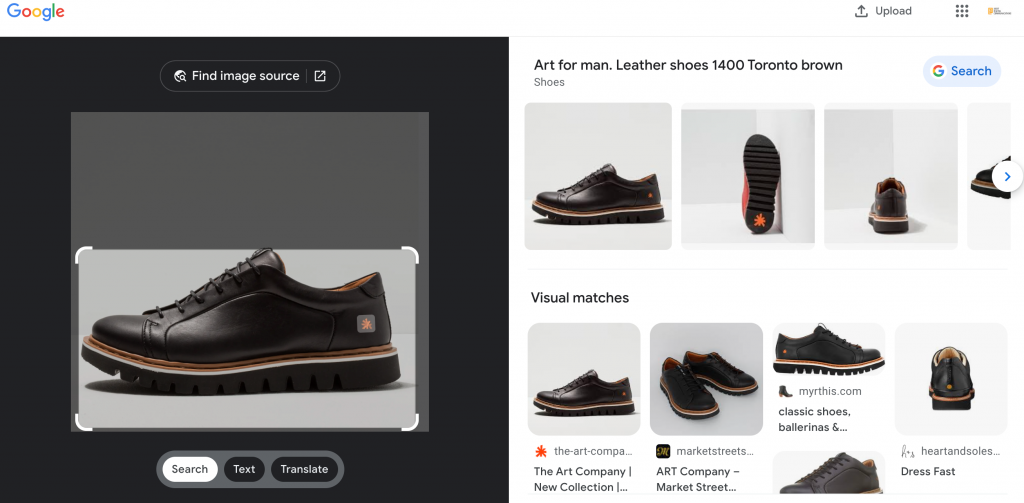
Another contributing factor is AI-driven search. Tools like Google’s BERT and the newer generative AI features are reshaping how search results are displayed, providing more dynamic and personalized experiences. These AI tools prioritize content relevance over traditional ranking factors, making it harder for smaller businesses to stay competitive.
So, what can small businesses do to improve their chances in this crowded landscape?
Start by optimizing your content for visuals, such as videos and images. Ensuring your website is fully optimized for mobile, as well as having quick-loading pages, is crucial. Additionally, adopting AI and automation tools can help personalize user experiences and streamline marketing strategies. By staying ahead of these trends, you can continue to carve out space at the top of search results.
Trend #9: Reinventing Your Email Marketing
Email marketing remains a powerhouse in the digital marketing world, with 81% of companies using it as part of their strategy. It’s no surprise—email is still one of the most effective ways to reach customers directly.
Research shows email outperforms platforms like Facebook and Twitter when it comes to acquiring real customers. Email marketing drives engagement and conversions more effectively, with the added benefit of nurturing long-term customer relationships.
However, as we head into 2025, email marketing needs to evolve to stay effective. With ongoing privacy changes, like Apple’s Mail Privacy Protection, traditional email metrics, such as open rates, are becoming less reliable. Instead, businesses need to focus on click-through rates and conversions to measure the real impact of their campaigns.
A growing trend is the use of interactive email features, such as embedded videos, image carousels, and polls. These features help engage users without making them leave their inboxes, which keeps them more immersed in your brand experience.
Additionally, mobile optimization is crucial. Given that the majority of emails are now opened on mobile devices, ensuring your emails look great and are easy to interact with on smartphones is a must.
What can you do? Start experimenting with interactive elements and prioritize mobile-friendly designs to keep your email marketing competitive in 2025.
Trend #10: Expanding with User-Generated Content
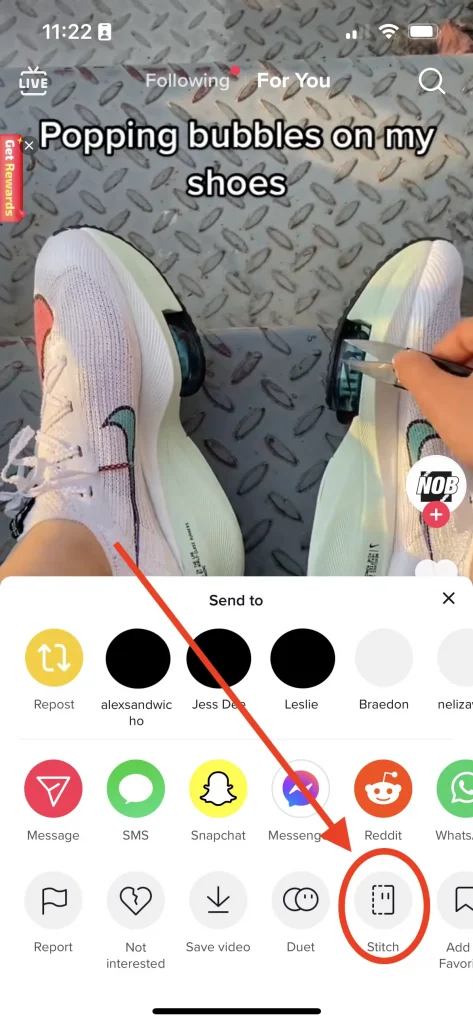
User-generated content (UGC) is a trend that’s only growing in importance as we head into 2025. Social media platforms, especially TikTok, have made it easier and more rewarding for users to engage directly with brand content, helping businesses reach wider audiences.
Features like Duets and Stitching on TikTok allow users to collaborate by posting videos alongside or incorporating others’ content. These features increase visibility and foster creativity, while making it easy to participate in ongoing conversations or viral trends.
UGC isn’t just about social media posts. It also includes customer reviews, testimonials, and photos or videos featuring your products. Encouraging satisfied customers to share their experiences—whether through written reviews on Google or social media platforms, or by submitting photos and videos—can significantly boost your credibility and engagement. After all, consumers trust their peers more than they trust ads, and UGC adds authenticity to your brand.
What can you do? Start exploring how your brand can tap into UGC on social media, from encouraging reviews to running contests or asking for photos and videos. Engaging with your customers’ content not only improves your reach and engagement, but it can also build a sense of community around your brand.
Trend #11: Engaging Customers through Conversational Marketing
Conversational marketing is a fast-growing approach to customer engagement that focuses on real-time, one-on-one interactions. It’s all about creating personalized, dialogue-driven experiences with customers, whether through live chat, chatbots, or even voice search. The goal is to engage customers at the right moment, with the right message, making them feel heard and valued.
You’ve probably encountered chatbots on websites, but today’s conversational marketing is more sophisticated. Live chat is now a go-to tool, allowing businesses to offer immediate, human-like conversations with website visitors. It’s an effective way to answer questions, resolve issues, and build stronger customer relationships.
Voice search is also playing a major role in conversational marketing. With the rise of smart speakers like Siri, Alexa and Google Assistant, people are now searching for information in a more natural, conversational way. This trend means businesses need to optimize their content and messaging for voice search, ensuring it aligns with how people speak, not just type.
For chatbots and live chat to be effective, they must feel personal. Customers don’t want to feel like they’re talking to an AI. Whether through a chatbot or live chat, the conversation should feel like a real interaction with a person—timely, relevant, and human.
Companies that get this right will not only improve their customer service but will also see better engagement and conversion rates.
What can you do? Start by adding live chat to your website to engage visitors in real time. Also, invest in improving your chatbot’s conversational tone to make sure it feels like a helpful person rather than a robot. If you haven’t explored voice search optimization, it’s worth diving into how people use voice search and adapting your content accordingly.
Ready to Take Your Digital Marketing to the Next Level?
As you can see, staying ahead of digital marketing trends in 2025 requires more than just adopting new tools—it’s about strategic planning, ongoing adaptation, and focusing on what really matters: your customers.
If you’re ready to dive deeper into these trends and refine your marketing strategy for the best results, the experts at Asset Digital are here to help.
Whether you need assistance with building a customer-centric approach, leveraging AI, or mastering omnichannel marketing, our team has the knowledge and experience to guide you every step of the way. Let’s work together to create a customized strategy that drives growth and keeps you ahead of the competition.
Contact us today to learn more about how we can enhance your
digital marketing strategy for 2025!